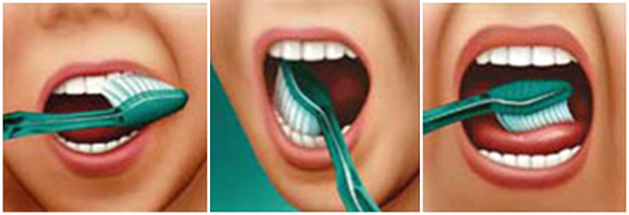
Brushing and flossing are the keys to a healthy smile!
What type of toothbrush should I use?
Most dental professionals agree that a soft-bristled brush is best for removing plaque and debris from your teeth. Small-headed brushes are also preferable since they can better reach all areas of the mouth, including hard-to-reach back teeth. For many, an electric toothbrush is a good alternative. It can do a better job of cleaning teeth, particularly for those who have difficulty brushing or who have limited manual dexterity.
What is the best toothpaste?
Brushing your teeth thoroughly with fluoride toothpaste is one of the most effective ways to preventing tooth decay. There are many toothpastes available on the market for those who suffer from sensitivity to cold food and drinks. We advise not to use whitening toothpaste as these can be quite abrasive.
Toothpaste containing 1350-1500ppm fluoride is the most effective. Your dentist may advise you to use higher-strength toothpaste if you or your child is at a particular risk of tooth decay.
- Children under three years old should brush twice daily, with a smear of toothpaste containing no less than 1000ppm fluoride.
- Children between three and six years old should brush at least twice daily with a pea-sized amount of toothpaste containing more than 1000ppm fluoride.
- Adults should brush at least twice daily with toothpaste containing 1350-1500ppm fluoride.
How do I floss my teeth?
Dental floss or interdental brushes are the ideal solutions for cleaning in between your teeth. This helps to reach the areas your toothbrush can�t get to and prevent the build-up of tartar. Your dental care professional will guide you on the method which best suits your needs and how to use them effectively.
Mouthwash, should I be using it?
Unless advised by your dentist or dental professional to use a medicated mouthwash, brushing and flossing alone are effective at keeping teeth and gums healthy. However, if you like using a mouthwash it is best to use it at different times of the day to tooth brushing as it can wash away the fluoride in the toothpaste.